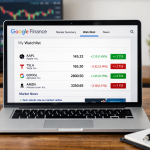
The world of investing can feel complicated for beginners. Charts, financial terms, and market fluctuations often discourage people from learning about stocks. However, one educational tool has made it much easier for students, beginners, and even professionals to understand how investing works. The stock market game provides a safe and engaging environment where people can learn about the financial markets without risking real money.
This simulation-based learning method allows participants to experience buying and selling stocks in a virtual environment that reflects real market conditions. Over time, players begin to understand how the market reacts to news, economic changes, and company performance. Because of this practical approach, the game has become a powerful tool for building financial literacy and improving investment knowledge.
Understanding the Stock Market Game
The stock market game is a simulation where participants manage a virtual investment portfolio. Instead of using real money, players receive a fixed amount of simulated funds that they can invest in publicly traded companies. The prices of these stocks move based on real market data, which means players experience realistic market conditions.
This type of stock market simulation game is widely used in schools, universities, and financial education programs. Students compete with classmates or participants from other institutions to see who can build the most profitable portfolio over a certain period.
The main goal of the game is not simply to win but to help players understand how investing works. Participants learn how to research companies, analyze trends, and make thoughtful financial decisions.
Why Learning Through Simulation Works
Traditional education often teaches financial concepts through textbooks and lectures. While theory is important, it can be difficult for learners to fully understand how markets behave without practical experience.
A stock market simulation game fills this gap by allowing participants to experiment with investment strategies. Players can observe the effects of their decisions immediately. If they invest heavily in a single stock and that company performs poorly, they see the impact on their portfolio.
This hands-on approach makes financial learning more engaging and memorable. Instead of memorizing concepts, players experience them in real time.
Another advantage is that players can take risks without financial consequences. In real investing, mistakes can cost money. In a simulation, mistakes become valuable learning opportunities.
Building Financial Literacy Through Gameplay
One of the most important benefits of the stock market game is the development of financial literacy. Many people grow up without learning how investing works, which can make managing money difficult later in life.
Through the game, participants learn several essential financial concepts:
-
Portfolio diversification
Players understand why spreading investments across different companies reduces risk. -
Market research
Participants learn how to analyze company performance, earnings reports, and market trends. -
Long term investing strategies
The game shows the importance of patience and strategic decision making. -
Risk management
Players begin to understand how market volatility can affect investments.
These lessons prepare individuals for real world financial decisions.
Encouraging Strategic Thinking
Another major benefit of the stock market game is the development of strategic thinking. Investing is not about luck alone. Successful investors analyze information, plan carefully, and adjust their strategies when the market changes.
During the game, participants often study financial news, company reports, and economic trends before making decisions. This research process helps players develop analytical thinking skills.
For example, if a technology company announces a new product, players may predict that the stock price will rise. They might choose to buy shares early in hopes of gaining profit later.
At the same time, players learn that not every prediction works. Markets are influenced by many factors, including global events, economic data, and investor sentiment.
The Role of Competition
Many versions of the stock market game include a competitive element. Participants compete against others to achieve the highest portfolio value within a specific time frame.
Competition increases motivation and engagement. Students often become more interested in financial topics when they are trying to outperform their peers.
Teachers and program organizers also use leaderboards to track progress. Seeing rankings encourages players to improve their strategies and make better decisions.
However, competition is only one aspect of the experience. The primary purpose remains education and skill development.
Learning About Real World Markets
One reason the stock market simulation game is so effective is that it reflects real market conditions. Stock prices are usually connected to actual exchanges, which means the values change throughout the day.
Players quickly learn that markets are influenced by many factors, including:
-
Economic reports
-
Corporate earnings announcements
-
Political events
-
Industry developments
-
Investor sentiment
When these events occur, players see how their virtual portfolios react. This direct connection to real market activity makes the learning experience more realistic and meaningful.
Developing Confidence in Investing
For many beginners, the biggest barrier to investing is fear. People worry about losing money because they do not fully understand how markets operate.
The stock market game helps remove this fear by providing a safe environment for learning. Players can practice trading, test strategies, and analyze outcomes without financial risk.
Over time, participants develop greater confidence in their ability to make investment decisions. They become familiar with common financial terms, understand how markets fluctuate, and learn how to evaluate opportunities.
This confidence often encourages individuals to begin real investing later in life.
Benefits for Students and Educators
Educational institutions have increasingly adopted the stock market simulation game as a teaching tool. Teachers find that students are more engaged when learning through interactive activities.
The game also supports several educational objectives:
-
Teaching economic principles
-
Improving critical thinking skills
-
Encouraging teamwork and collaboration
-
Building long term financial awareness
Students often work in groups to manage their portfolios. This teamwork encourages discussion about investment strategies and financial planning.
By the end of the program, many students gain a deeper understanding of how financial markets influence businesses and the global economy.
Practical Skills Gained from the Game
Participating in a stock market simulation game helps players develop several practical skills that extend beyond investing.
These skills include:
Research skills
Players learn how to gather and evaluate financial information before making decisions.
Decision making
Participants practice making choices based on available data rather than emotions.
Problem solving
Market fluctuations challenge players to adjust strategies and respond quickly.
Financial planning
Managing a virtual portfolio teaches the importance of planning for long term financial goals.
These abilities are valuable in many professional fields, not just finance.
Technology and Modern Investing Education
Advancements in digital technology have made the stock market game more accessible than ever before. Online platforms now allow participants from around the world to join competitions and manage portfolios through web or mobile applications.
These platforms often include educational resources such as tutorials, news updates, and market analysis tools. As a result, players gain both theoretical knowledge and practical experience.
Technology also allows educators to monitor student progress, evaluate strategies, and provide feedback throughout the learning process.
This combination of education and technology creates a dynamic learning environment that keeps participants engaged.
Conclusion
Learning how financial markets operate is an important skill in today’s economy. However, traditional teaching methods often struggle to make complex financial concepts easy to understand. Simulation tools have changed that by creating interactive experiences that combine education with real market activity.
By allowing participants to manage virtual portfolios, analyze market trends, and experiment with investment strategies, this educational approach builds confidence and financial awareness. Students, beginners, and aspiring investors can all benefit from the experience.
In the end, the stock market game serves as more than just an educational activity. It is a practical introduction to investing, strategic thinking, and financial responsibility. For anyone interested in understanding how markets work, participating in the stock market game can be a valuable first step toward becoming a more informed and confident investor.