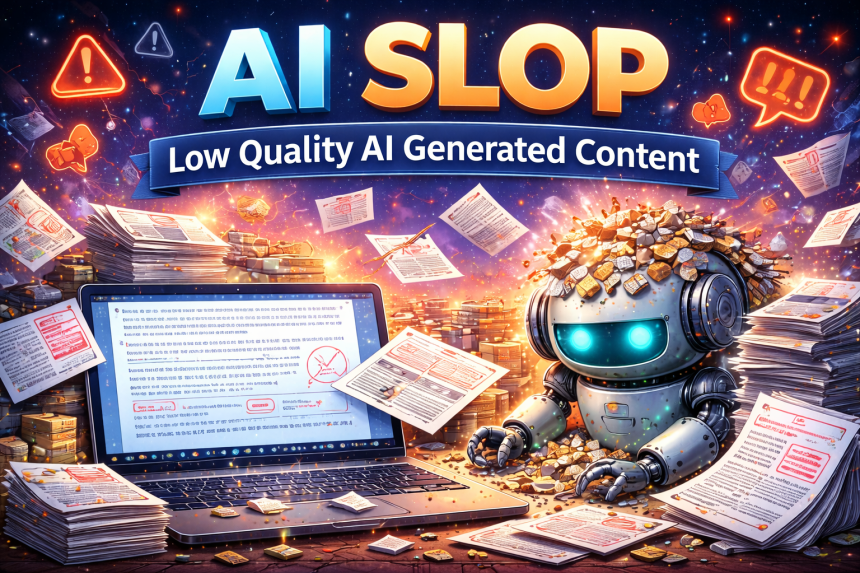
Artificial intelligence has changed the way people create and consume digital content. From writing articles to generating images, AI tools have made content production faster than ever before. While this technology offers many benefits, it has also created a new challenge on the internet. Many users are now talking about something known as ai slop, a term used to describe large amounts of low quality or repetitive content generated by artificial intelligence systems.
As more websites, blogs, and social media platforms rely on automated tools, concerns about content quality are growing. Readers often struggle to separate useful information from poorly generated material that exists only to attract clicks or fill web pages. Understanding the rise of ai slop helps explain why maintaining quality and authenticity is becoming increasingly important in the digital world.
What Is AI Slop
The term ai slop refers to content that is produced quickly by artificial intelligence systems but lacks originality, depth, or meaningful value for readers. This content may include blog posts, product descriptions, images, or social media updates that appear repetitive or poorly structured.
Many businesses use AI generated content tools to speed up production. While these tools can be useful when used carefully, problems arise when large amounts of automated content are created without human editing or thoughtful planning.
In many cases, ai slop appears as articles filled with vague information, repeated phrases, and little real insight. Readers may notice that the content sounds unnatural or does not fully answer their questions.
Because these pieces are often created in large quantities, they can flood search results and make it harder for people to find helpful information online.
Why AI Slop Is Increasing Online
One of the main reasons ai slop has become more common is the demand for constant digital content. Websites compete for attention, traffic, and search engine rankings. To keep up with this competition, some publishers produce content at extremely high speeds using automated tools.
Artificial intelligence allows creators to generate articles, images, and descriptions within seconds. While this speed can be beneficial for brainstorming or drafting ideas, it can also encourage quantity over quality.
Another factor is the rise of automated content generation platforms. These systems allow users to create hundreds of pieces of content quickly. When used without careful review, the results often lead to shallow or repetitive material that does not truly benefit readers.
How AI Slop Affects Online Information
The growth of ai slop has raised concerns among educators, researchers, and digital publishers. One major issue is that low quality content can dilute the overall reliability of information available online.
When search engines display pages filled with generic or poorly written content, users may struggle to find trustworthy sources. This problem can affect students, professionals, and anyone who relies on the internet for research and learning.
Another challenge is reader frustration. People expect useful answers when they search for information. If they repeatedly encounter vague or repetitive articles, they may lose trust in certain websites or platforms.
Over time, the presence of ai slop can make the internet feel cluttered and less helpful.
The Role of Search Engines in Controlling AI Slop
Search engines play an important role in managing the spread of ai slop. Companies that operate search platforms continuously update their algorithms to prioritize helpful and original content.
These updates aim to reward pages that demonstrate expertise, experience, and clear information. Websites that publish thoughtful and well researched articles are more likely to rank higher in search results.
Content created only to manipulate rankings or generate quick traffic often performs poorly when search engines refine their quality standards. This approach encourages publishers to focus on value rather than volume.
Why Human Creativity Still Matters
Despite the rapid growth of artificial intelligence tools, human creativity remains essential in content creation. AI systems can generate text quickly, but they often struggle to provide genuine insight, personal experience, or emotional connection.
Readers often appreciate content that reflects real understanding and thoughtful analysis. Human writers can explain complex topics, share stories, and offer perspectives that automated systems cannot fully replicate.
When writers use AI as a supportive tool rather than a replacement, the results tend to be far more useful and engaging.
Responsible Use of AI in Content Creation
Artificial intelligence can still be a powerful resource when used responsibly. Many writers and businesses use AI tools for brainstorming ideas, organizing information, or improving productivity.
The key difference lies in how the technology is applied. Responsible creators review, edit, and refine AI generated drafts before publishing them. They add context, personal knowledge, and clear explanations that improve the overall quality of the content.
This balanced approach allows creators to benefit from technology without contributing to the growing problem of ai slop.
How Readers Can Identify AI Slop
As automated content becomes more common, readers can learn to recognize signs of ai slop. Some common indicators include repetitive language, vague explanations, and a lack of detailed examples.
Articles that avoid clear answers or repeat similar phrases throughout the text may also signal low quality automated writing. Another sign is content that seems overly generic or disconnected from real world experience.
By paying attention to these details, readers can choose more reliable sources and avoid wasting time on unhelpful material.
The Future of Content in an AI Driven World
Artificial intelligence will continue to shape the future of digital publishing. New tools will likely become even more powerful and widely available. However, this progress will also require stronger standards for quality and authenticity.
Content creators who focus on originality, research, and genuine value will stand out in a crowded digital environment. Readers will increasingly reward websites that provide clear, accurate, and engaging information.
Technology companies may also develop improved systems for detecting and filtering low quality automated material. These efforts will help ensure that useful knowledge remains accessible online.
Conclusion
The rise of ai slop reflects both the opportunities and challenges created by modern technology. Artificial intelligence can accelerate content production, but without careful oversight it can also lead to a flood of repetitive and low value information.
As the internet continues to evolve, the balance between automation and human creativity will become even more important. Writers, publishers, and readers all play a role in shaping the quality of online content.
By focusing on thoughtful writing, meaningful insights, and responsible use of technology, creators can avoid contributing to ai slop and instead produce content that truly benefits readers.