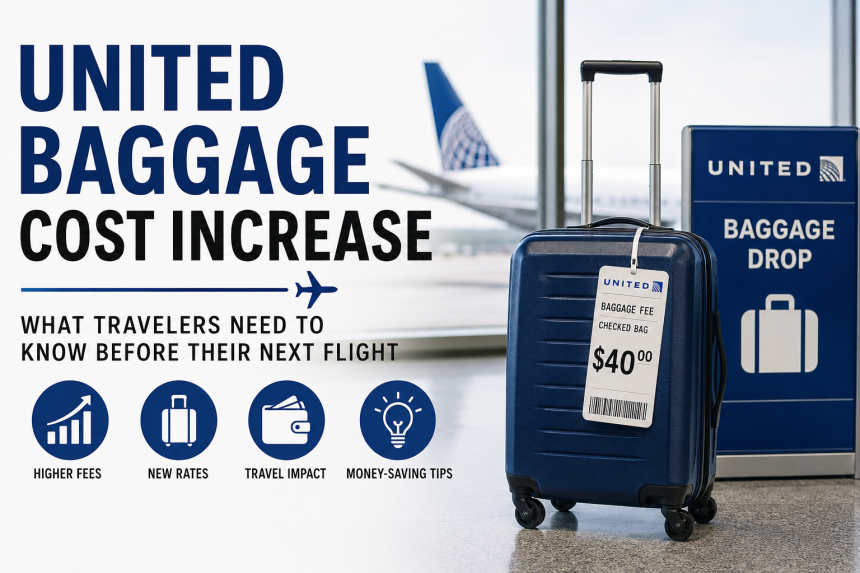
Air travel has changed significantly over the past few years, and one of the biggest concerns for passengers today is the rising cost of airline fees. Among these expenses, baggage charges have become a major talking point. Many travelers who regularly fly with United Airlines have noticed higher baggage fees and are wondering how these changes affect their travel budgets.
The united baggage cost increase has sparked discussions among both frequent and occasional flyers. Whether you are traveling for business, family vacations, or international trips, understanding these fee adjustments can help you avoid unexpected costs and plan your journey more effectively.
Understanding the United Baggage Cost Increase
Airlines continuously evaluate their pricing strategies to keep up with operational expenses, fuel costs, labor expenses, and changing market conditions. United Airlines is no exception. The recent united baggage cost increase reflects broader trends across the aviation industry, where carriers are relying more on ancillary revenue sources.
Baggage fees have become an important part of airline income. While ticket prices often remain competitive, additional services such as checked bags, seat selection, and priority boarding help airlines generate extra revenue. For passengers, this means paying closer attention to the total cost of travel rather than focusing solely on airfare.
Travelers who previously paid lower baggage fees may now notice an increase when checking one or more bags. These adjustments can impact both domestic and international routes depending on the fare type and destination.
Why Airlines Are Increasing Baggage Fees
Several factors contribute to rising baggage charges. First, operational costs continue to increase. Airlines face higher expenses related to fuel, aircraft maintenance, airport fees, and employee wages.
Second, airlines are investing heavily in technology and customer service improvements. Enhanced baggage tracking systems, digital check-in options, and upgraded airport facilities require substantial financial resources.
Third, competitive ticket pricing often leaves airlines with limited room to raise base fares. Instead, carriers use baggage fees and other optional services to maintain profitability while keeping advertised ticket prices attractive.
The result is a pricing model where travelers who require additional services contribute more directly to airline revenue.
How the United Baggage Cost Increase Affects Travelers
The impact of baggage fee changes varies depending on travel habits. For light packers who only carry hand luggage, the increase may have little effect. However, passengers traveling with multiple checked bags may notice a significant difference in their overall travel expenses.
Families often feel the greatest impact because multiple travelers usually require more luggage. A family of four checking several bags can see costs add up quickly. Similarly, business travelers carrying equipment or extended-stay luggage may face higher travel budgets.
International travelers may also experience changes depending on route-specific baggage policies. Some fare classes include baggage allowances, while others require separate payment for checked items.
Understanding your fare rules before departure can help prevent surprises at the airport.
Tips to Save Money on Checked Bags
Although baggage fees have increased, there are several ways travelers can reduce costs.
Pack More Efficiently
One of the easiest ways to save money is by packing strategically. Using lightweight luggage and eliminating unnecessary items can help you stay within airline weight limits and avoid overweight bag charges.
Use Carry-On Luggage
Many travelers successfully avoid checked baggage fees by traveling with carry-on luggage only. Modern travel backpacks and compact suitcases provide enough space for short trips while helping passengers save money.
Prepay Baggage Fees Online
United Airlines often offers lower baggage rates when fees are paid online before arriving at the airport. Waiting until check-in or the departure gate can sometimes result in higher charges.
Join Loyalty Programs
Frequent flyer programs can provide baggage benefits. Depending on membership status, travelers may receive free checked bags or discounted baggage fees.
Consider Travel Credit Cards
Some airline-branded credit cards include complimentary checked baggage benefits. These perks can offset the effects of a baggage fee increase and provide long-term savings for frequent travelers.
Comparing United Airlines Baggage Fees with Competitors
The airline industry has generally moved toward higher ancillary fees. United Airlines is not alone in adjusting baggage charges. Other major carriers have implemented similar pricing strategies to offset rising operational expenses.
When comparing airlines, travelers should evaluate the total cost of travel rather than ticket price alone. A lower fare may appear attractive initially, but baggage fees, seat selection charges, and other add-ons can increase the final cost substantially.
In some cases, a slightly higher airfare with included baggage may actually represent better value than a lower-priced ticket with multiple additional fees.
Savvy travelers often compare complete trip expenses before making a booking decision.
The Importance of Understanding Baggage Policies
One common mistake travelers make is assuming baggage policies remain unchanged from previous trips. Airline rules and fee structures can change regularly.
Before booking a flight, passengers should review the latest baggage guidelines for their route and fare category. This includes checking:
Carry-on size restrictions
Checked baggage fees
Weight limits
Oversized baggage charges
International baggage allowances
Sports equipment policies
Being informed allows travelers to budget accurately and avoid unexpected expenses at the airport.
Future Trends in Airline Baggage Fees
Industry experts expect baggage fees to remain an important revenue source for airlines in the coming years. As travel demand continues to grow, airlines will likely seek additional ways to balance operational costs while maintaining competitive ticket prices.
Technology may play a larger role in baggage management. Advanced tracking systems, automated baggage handling, and personalized travel services could improve the passenger experience. However, these innovations may also influence future fee structures.
Travelers should expect airlines to continue refining their pricing models based on customer behavior and market conditions.
At the same time, increased competition among carriers may create opportunities for promotional offers, loyalty benefits, and bundled fare options that help offset higher baggage costs.
How Travelers Can Adapt to Rising Airline Fees
The best strategy for dealing with increasing travel costs is preparation. Planning ahead, comparing fare options, and understanding baggage policies can significantly reduce expenses.
Many experienced travelers now build baggage fees into their travel budgets from the beginning rather than treating them as unexpected costs. This approach makes trip planning more accurate and less stressful.
Travelers can also benefit from monitoring airline promotions, loyalty rewards, and travel card offers that provide baggage-related savings.
Being flexible with travel dates and fare options may uncover opportunities to reduce overall expenses while still enjoying a comfortable travel experience.
Conclusion
The united baggage cost increase reflects broader changes occurring throughout the airline industry. As carriers face rising operational expenses and evolving market conditions, baggage fees continue to play an important role in airline revenue strategies. While higher fees can affect travel budgets, passengers who understand baggage policies, pack efficiently, and take advantage of loyalty benefits can minimize additional costs. Staying informed about the latest united baggage cost increase updates will help travelers make smarter decisions and enjoy a smoother, more affordable travel experience.