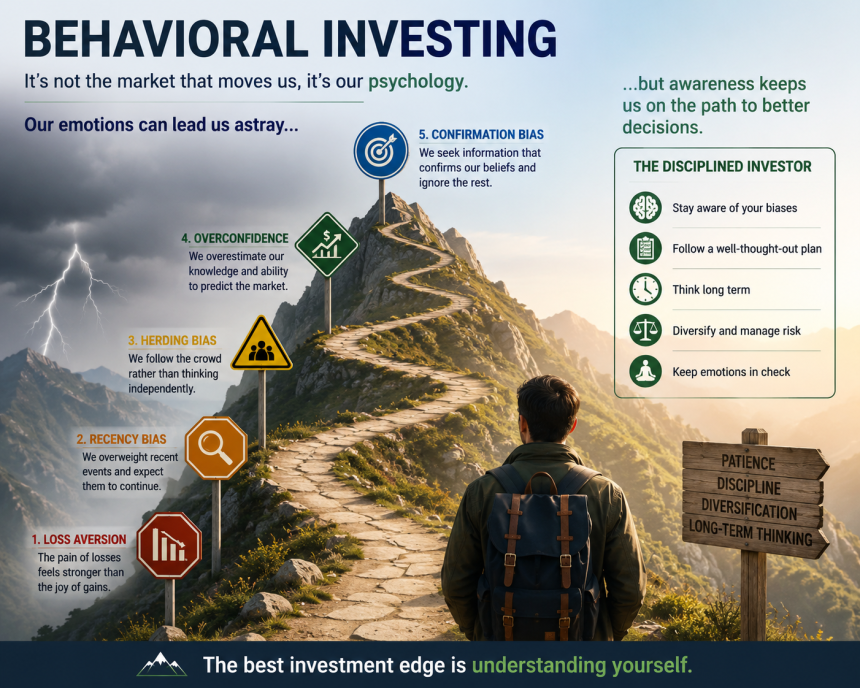
Investing is often presented as a numbers game built on logic, research, and careful planning. In reality, human emotions play a major role in the way people invest their money. Fear, excitement, greed, and confidence can all influence financial choices, sometimes more than data itself. This is where Behavioral Investing becomes important. It explains how psychology affects investment decisions and why people often make irrational choices even when they know better.
For many investors, the stock market is not just about charts and financial reports. It is also about personal beliefs, emotional reactions, and mental habits. Some people panic during market declines and sell too early, while others become overly confident during market rallies and take unnecessary risks. Understanding these patterns can help investors build better strategies and avoid common mistakes.
Behavioral investing combines finance and psychology to explain why people behave differently from what traditional financial theories expect. Instead of assuming that every investor makes perfectly logical decisions, this approach recognizes that emotions and biases influence financial behavior every day.
What Is Behavioral Investing?
Behavioral Investing is the study of how emotional and psychological factors affect investment decisions. Traditional investing theories assume that investors are rational and always make choices that maximize profits. However, real life investing rarely works that way.
People often buy stocks because of excitement, hold losing investments because they fear regret, or follow market trends because everyone else is doing the same thing. Behavioral investing helps explain these reactions by identifying common mental biases and emotional patterns.
This concept became more popular when researchers and economists began studying investor psychology in greater detail. Experts discovered that human behavior often causes market movements that cannot be explained by logic alone. Emotional investing and cognitive bias play a major role in how financial markets operate.
Understanding these behaviors can help investors make smarter decisions. Instead of reacting emotionally, investors can learn to recognize their habits and create a more disciplined approach.
Why Investor Psychology Matters
Investor psychology has a direct impact on financial success. Even the best investment strategy can fail if emotions constantly interfere with decision making. Many people understand the basics of investing, yet still struggle to stay consistent because emotions influence their actions.
For example, during a market crash, fear can push investors to sell quality investments at the worst possible time. On the other hand, during a strong market rally, excitement can encourage investors to buy overpriced assets without proper research.
Behavioral finance studies show that emotions can affect everyone, including experienced investors. The difference is that successful investors learn how to manage their emotional responses rather than letting emotions control their decisions.
Financial planning becomes more effective when people understand the psychological side of investing. Recognizing emotional triggers allows investors to stay calm during uncertainty and avoid impulsive actions.
Common Biases in Behavioral Investing
One of the most important parts of behavioral investing is understanding cognitive biases. These biases are mental shortcuts that influence decision making, often without people realizing it.
Overconfidence Bias
Many investors believe they can predict the market better than they actually can. Overconfidence may lead people to take excessive risks or ignore important research. Investors who become too confident may trade too frequently or invest heavily in a single asset.
Loss Aversion
Loss aversion refers to the tendency to fear losses more than valuing gains. People often hold losing investments for too long because they do not want to accept defeat. This emotional attachment can prevent investors from making rational decisions.
Herd Mentality
Herd mentality occurs when investors follow the crowd instead of conducting their own analysis. This behavior often appears during market bubbles or panic selling. Many people feel safer copying others, even when the decision may not be logical.
Confirmation Bias
Confirmation bias happens when investors only pay attention to information that supports their existing beliefs. Instead of considering all perspectives, they ignore data that challenges their opinions.
Anchoring Bias
Anchoring occurs when investors focus too heavily on one piece of information, such as a stock’s previous price. This can make it difficult to evaluate current market conditions objectively.
These biases may seem simple, but they can significantly affect long term investment performance.
Emotional Investing and Market Reactions
The financial market is heavily influenced by human emotion. Fear and greed are two of the strongest emotional forces in investing. When markets rise rapidly, greed encourages investors to chase profits without considering risks. When markets decline, fear causes panic and emotional selling.
Emotional investing can create cycles of market volatility. Investors may buy assets at inflated prices because they fear missing out on gains. Later, the same investors may sell during downturns because they fear additional losses.
This emotional behavior often leads people to buy high and sell low, which is the opposite of a successful long term strategy.
Social media and financial news also contribute to emotional reactions. Constant headlines about market crashes or sudden gains can create pressure and anxiety. Investors who react emotionally to every piece of news may struggle to maintain consistent financial goals.
Understanding market psychology can help investors separate emotions from facts. Instead of reacting immediately, disciplined investors focus on long term objectives and reliable research.
How Behavioral Investing Impacts Long Term Wealth
Small emotional decisions can have a major impact on long term wealth creation. Investors who constantly change strategies based on fear or excitement may reduce their overall returns.
For example, some people move money in and out of the market frequently because they are trying to predict short term trends. Unfortunately, timing the market consistently is extremely difficult. Missing just a few strong market days can significantly reduce long term investment growth.
Behavioral investing encourages investors to focus on consistency rather than emotional reactions. Long term investing strategies often perform better when investors stay patient and avoid impulsive decisions.
Retirement planning is another area where investor psychology matters. People who panic during market downturns may stop contributing to retirement accounts or sell investments too early. This can affect future financial security.
A disciplined approach that includes diversification, realistic expectations, and emotional control can help investors build stronger financial habits over time.