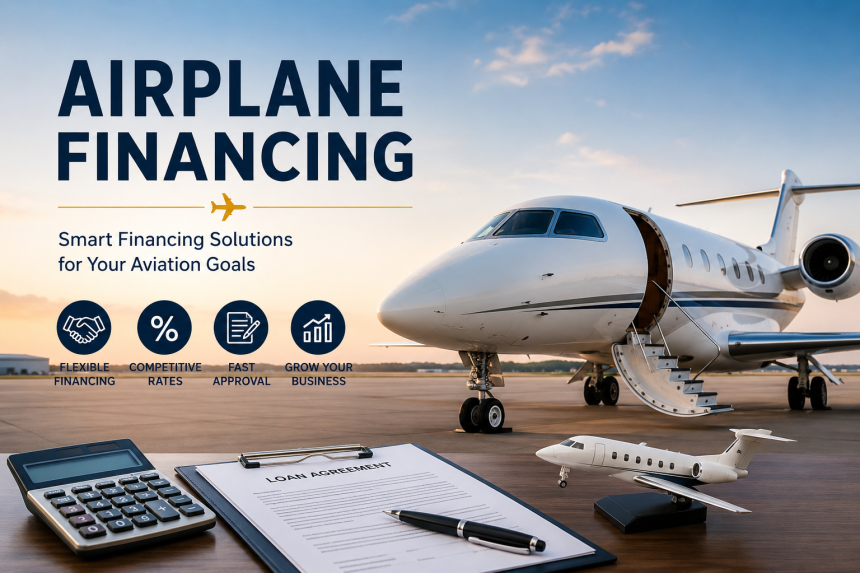
Buying an aircraft is a major investment. Whether someone is purchasing a private jet, a small business aircraft, or a commercial airplane, the cost can quickly reach hundreds of thousands or even millions of dollars. Because of this, many buyers look for flexible airplane financing solutions that make aircraft ownership possible without paying the full amount upfront.
The aviation industry continues to grow across the world. Business owners, charter companies, pilot schools, and private travelers are all exploring ways to expand their operations through aircraft ownership. Financing plays an important role in helping these buyers manage costs while maintaining healthy cash flow.
In this guide, we will explore how airplane financing works, the types of aircraft loans available, eligibility requirements, and tips to secure the best financing deal.
What Is Airplane Financing?
Airplane financing is a type of loan designed specifically for purchasing aircraft. Similar to auto loans or commercial equipment financing, the lender provides funds to buy the aircraft while the buyer repays the amount over time with interest.
Aircraft financing can be used for different types of planes, including:
- Private jets
- Helicopters
- Small propeller aircraft
- Commercial airplanes
- Cargo aircraft
- Flight training planes
The aircraft itself often serves as collateral for the loan, which helps lenders reduce risk.
Why Buyers Choose Airplane Financing
Most individuals and companies do not want to tie up all their cash in one purchase. Financing allows them to spread the cost over several years while still benefiting from aircraft ownership immediately.
Some common reasons buyers choose airplane financing include:
Better Cash Flow Management
Instead of spending millions at once, buyers can make manageable monthly payments. This helps businesses maintain liquidity for operations, staffing, fuel, and maintenance.
Business Growth Opportunities
Many aviation companies use aircraft loans to expand their fleets, increase charter services, or enter new markets without waiting years to save enough capital.
Tax Benefits
Depending on local tax laws and business structure, some buyers may qualify for depreciation deductions or interest-related tax benefits connected to aircraft financing.
Faster Aircraft Acquisition
Financing helps buyers secure aircraft quickly when market opportunities arise.
Types of Airplane Financing
There are several financing options available in the aviation industry. The best choice depends on the buyer’s financial condition, aircraft type, and long-term goals.
Traditional Aircraft Loans
This is the most common form of airplane financing. Banks and aviation lenders provide loans with fixed or variable interest rates.
Loan terms may range from 5 to 20 years depending on:
- Aircraft age
- Aircraft value
- Buyer credit profile
- Business revenue
Traditional loans are popular among private owners and aviation businesses.
Aircraft Leasing
Leasing is another common option for companies that want to use an aircraft without full ownership.
There are two primary lease types:
Operating Lease
The lessee uses the aircraft for a specific period and returns it afterward. This option is common for companies wanting flexibility.
Finance Lease
This lease works similarly to ownership. At the end of the lease period, the buyer may have the option to purchase the aircraft.
Aircraft leasing can lower upfront costs and provide easier fleet upgrades.
SBA Aircraft Financing
In some countries, government-backed lending programs help small businesses purchase aircraft for commercial purposes.
For example, some aviation businesses may qualify for small business aviation loans if the aircraft supports revenue-generating activities such as:
- Charter services
- Flight schools
- Cargo operations
- Agricultural aviation
These loans may offer lower down payments and longer repayment terms.
Private Aviation Financing
Private lenders and aviation finance companies also provide customized financing solutions for high-net-worth individuals and specialized aircraft purchases.
These lenders may offer:
- Faster approvals
- Flexible loan structures
- Financing for older aircraft
- International aircraft transactions
Private aviation financing is often used for luxury jets and complex aviation deals.
How the Airplane Financing Process Works
The financing process usually involves several steps. Understanding these steps can help buyers prepare properly.
Step 1: Determine Budget
Before applying, buyers should calculate how much aircraft they can realistically afford. This includes considering:
- Monthly loan payments
- Insurance
- Fuel costs
- Hangar fees
- Crew salaries
- Maintenance expenses
Owning an aircraft involves much more than the purchase price.
Step 2: Choose the Aircraft
Lenders will want detailed information about the airplane, including:
- Manufacturer
- Model
- Year
- Flight hours
- Maintenance records
- Current market value
Aircraft condition strongly affects loan approval.
Step 3: Submit Financing Application
The buyer submits financial documents such as:
- Tax returns
- Bank statements
- Business financial reports
- Credit history
- Proof of income
Businesses may also need to provide operational plans and revenue projections.
Step 4: Aircraft Appraisal and Inspection
Most lenders require a professional appraisal and aircraft inspection before final approval.
This ensures the aircraft value matches the loan amount and confirms the airplane is airworthy.
Step 5: Loan Approval and Closing
Once approved, the lender finalizes the agreement and transfers funds to complete the purchase.
Factors That Affect Aircraft Loan Approval
Lenders carefully evaluate risk before approving airplane financing applications.
Several factors influence approval chances.
Credit Score
Strong personal or business credit significantly improves approval odds and may result in lower interest rates.
Down Payment
Most lenders require a down payment ranging from 10% to 30%.
Larger down payments often lead to better loan terms.
Aircraft Age and Condition
Newer aircraft generally qualify for easier financing because they hold value better and require less maintenance.
Older planes may still qualify but often come with stricter conditions.
Business Revenue
For commercial aviation financing, lenders review business income and profitability carefully.
Stable revenue reassures lenders that payments can be made consistently.
Experience in Aviation
Pilot experience and aviation management experience can also impact approval decisions.
Lenders feel more comfortable financing buyers with aviation knowledge.
Benefits of Airplane Financing for Businesses
Businesses in the aviation sector often rely on financing to remain competitive.
Here are some major benefits.
Fleet Expansion
Charter companies can add more aircraft without draining working capital.
Improved Customer Service
Newer aircraft improve passenger comfort, safety, and operational efficiency.
Revenue Growth
Additional aircraft allow companies to serve more clients and increase profits.
Competitive Advantage
Modern fleets help aviation companies stand out in a crowded marketplace.
Common Challenges in Airplane Financing
Although financing offers many benefits, buyers should also understand the challenges.
High Interest Costs
Depending on market conditions and credit history, aircraft loans can carry substantial interest expenses over time.
Maintenance Expenses
Aircraft maintenance is costly and unavoidable.
Unexpected repairs can affect financial planning.
Depreciation
Some aircraft lose value over time, especially older models or less popular aircraft types.
Strict Lending Requirements
Aircraft lenders often have stricter requirements compared to standard business loans.
Tips to Secure the Best Airplane Financing Deal
Finding the right financing solution requires preparation and research.
Improve Your Credit Profile
Pay off debts, maintain strong credit history, and avoid late payments before applying.
Compare Multiple Lenders
Different aviation lenders offer different terms. Comparing options helps buyers secure better rates and conditions.
Prepare Financial Documents Early
Organized documentation speeds up approvals and creates a professional impression.
Work With Aviation Experts
Aircraft brokers, aviation attorneys, and finance specialists can help buyers avoid expensive mistakes.
Understand the Total Cost
Do not focus only on monthly payments. Evaluate total loan cost, maintenance, insurance, and operating expenses.
Future Trends in Aircraft Financing
Technology and global aviation demand continue shaping the financing market.
Some emerging trends include:
- Digital loan approvals
- Sustainable aviation financing
- Electric aircraft investment
- Increased private jet demand
- Flexible leasing models
As aviation evolves, financing options are becoming more accessible for both businesses and private owners.
Conclusion
Airplane financing has made aircraft ownership possible for thousands of individuals and businesses around the world. From private jets to commercial fleets, financing solutions help buyers manage costs while accessing the benefits of aviation.
Choosing the right financing structure requires careful planning, strong financial preparation, and a clear understanding of long-term operating costs. Buyers who compare lenders, improve their financial profile, and seek expert guidance often secure the most favorable terms.
Whether you are launching a charter business, expanding a flight school, or purchasing a personal aircraft, airplane financing can provide the flexibility needed to achieve your aviation goals successfully.